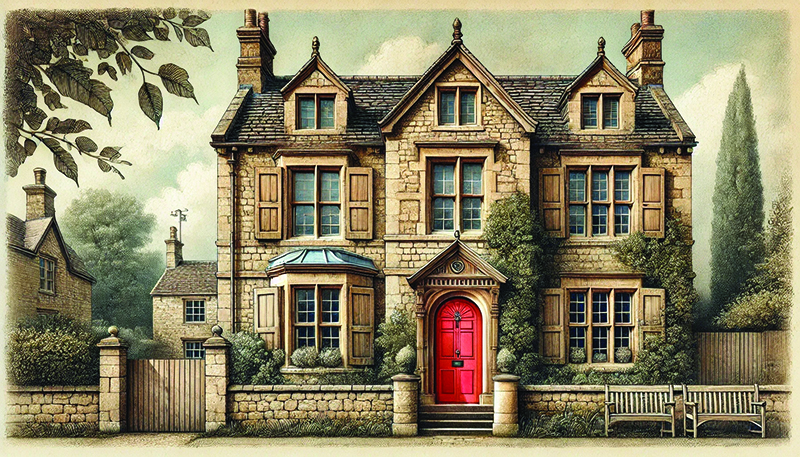
EPC ratings rank buildings from A (most efficient) to G (least efficient). Most unlisted buildings fall within the mid-range, with 32.68% achieving a C rating and 37.51% a D. This accounts for nearly 70% of all unlisted buildings, reflecting improvements driven by modern construction methods and renovations.
In contrast, listed properties tell a starkly different story. According to data highlighted by Confused.com, a significant proportion of these buildings occupy the lower bands of energy efficiency. Over a third (35.20%) of listed buildings are rated E, compared to just 12.55% of unlisted buildings. The disparity widens further in the F and G bands: 18.30% of listed properties fall under F (compared to 2.36% of unlisted), while 6.80% receive the lowest rating, G, versus just 0.66% of unlisted buildings. Among Grade I properties—the most historically significant—11.30% are rated G, and none achieve an A.
The main challenge lies in the strict regulations governing listed buildings. While modern upgrades, such as energy-efficient windows, insulation, and roofing, are key to improving energy performance, these alterations are often restricted to preserve the buildings’ heritage. This creates a conundrum for homeowners and a niche market for glazing professionals.
Specialist solutions tailored to listed properties could unlock significant potential. Secondary glazing, for instance, provides an effective way to enhance thermal efficiency without compromising the original window structures. Other innovative approaches, such as the use of vacuum glazing with ultra slim sealed units, offer additional opportunities to address these challenges.
For the UK glazing industry, the gap in energy efficiency between listed and unlisted properties presents both a problem and a prospect. As the push for sustainable building practices intensifies, manufacturers and installers specialising in heritage solutions stand to benefit from increased demand. Partnerships with conservation agencies and local authorities could further open doors to this highly specialised market.
With listed buildings accounting for a substantial portion of the UK’s architectural heritage, balancing conservation with energy efficiency will remain a pressing concern. For businesses in the glazing sector, this intersection of tradition and innovation offers a path to growth while contributing to the nation’s sustainability goals.
The organisers of the G26 Awards are delighted to reveal the shortlist for this year’s…
Careful attention to detail, exemplary workmanship, and a homeowner who couldn’t be happier have earned…
Five new door designs have been added to the Solidor range to help installers provide…
Insight Data is reporting growing demand for Salestracker, as suppliers of products and services into…
Caribbean has signed the Family Business Pledge, reinforcing its commitment to long-term relationships with its…
The latest recycling data from Morley Glass shows that the company has now generated more…